Source Metallic Black Fuel Tank Cover for Trucks, Machinery, and Repair
Find 30 metallic black fuel tank cover options from verified suppliers. Compare specifications for Sinotruk and other machinery parts to identify suitable replacements for heavy-duty truck and industrial equipment repair applications; compare the available evidence and request quotations based on your requirements.
Key considerations
Products List
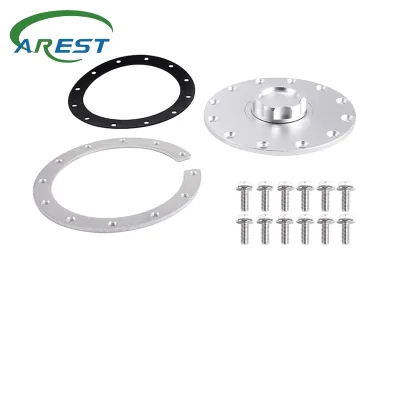
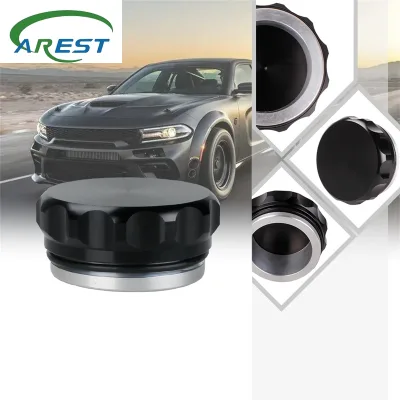
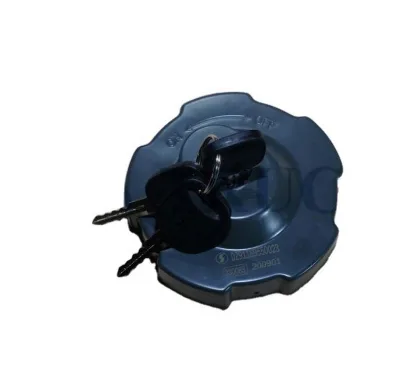


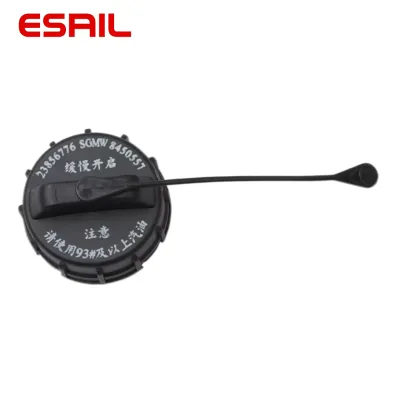



Comprehensive Sourcing Guide
Metallic Black Fuel Tank Cover Sourcing Guide
Procuring a metallic black fuel tank cover requires distinguishing between generic aluminum components and specialized automotive replacements, as the supply chain offers diverse configurations. While some listings highlight specific model numbers like DZ91189550023 for heavy-duty trucks, others describe generic aluminum alloy parts with varying dimensions. Buyers must carefully cross-reference the intended vehicle platform with the supplier's specific model data to ensure physical compatibility before initiating any order.
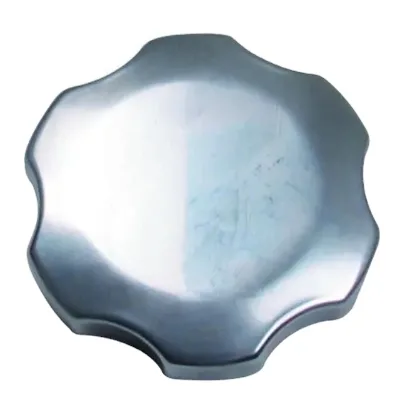
The visual finish of these components often varies significantly from the requested metallic black, with many available units listed in silver or multi-color options. Sourcing agents should explicitly verify if the "metallic black" finish is a standard stock item or a custom surface treatment requirement, as some suppliers offer spray-paint services while others provide only raw aluminum. Clarifying this aesthetic requirement early prevents costly misunderstandings regarding the final appearance of the delivered parts.
Product Scope and Observed Listing Signals
The market for fuel tank covers includes both single-item replacements and bulk industrial components, with observed minimum order quantities ranging from one unit to three thousand. Some suppliers list specific packaging details such as carton boxes with wooden cases for larger items, while others utilize standard cartons for smaller inventory. Understanding these logistical variances is essential for calculating total landed costs, as packaging requirements directly influence shipping volume and freight charges.
Product attributes indicate a wide spectrum of applications, from machinery parts to specific vehicle repair needs, often supported by certifications like ISO 9001. Buyers should note that while some items are marked as new, others may be designed for replacement or repair purposes rather than original equipment manufacturing. This distinction affects the expected lifespan and performance characteristics of the cover, necessitating a clear definition of the intended use case during the initial inquiry phase.
Technical Specifications to Verify
Dimensional accuracy is paramount when selecting a fuel tank cover, as observed listings show nominal diameters ranging from 16 inches to various inch-based measurements. The installation method, often specified as flange type, must align precisely with the existing mounting points on the vehicle or machinery to ensure a secure fit. Buyers should request detailed engineering drawings or CAD files to verify that the hole patterns and thickness match the original equipment specifications before committing to a purchase.
Material composition and surface treatment significantly impact the durability and corrosion resistance of the final product. While aluminum and aluminum alloy are common base materials, the surface roughness can vary from Ra0.2 to Ra1.6, affecting the quality of the subsequent paint or coating application. It is critical to confirm whether the supplier provides the specific metallic black finish as a standard process or if it requires a separate, custom surface treatment step to achieve the desired aesthetic and protective qualities.
Compliance and Safety Documentation
Safety standards for fuel tank covers are critical, particularly for applications involving emergency vents or high-pressure environments where specific pressure ratings apply. Some industrial listings reference standards such as NTTC DOT 406 for emergency fire vents, which dictate the maximum emergency flow and opening pressure requirements. Buyers must verify that the selected component meets the regulatory safety standards applicable to their specific region and industry, ensuring the part can withstand operational stresses without failure.
Quality management systems provide a baseline for supplier reliability, with many manufacturers holding ISO 9001 certifications for their machining and production processes. However, the presence of a certification does not automatically guarantee that every batch of fuel tank covers meets the same rigorous standards. Procurement teams should request current, valid certification documents and ask for specific test reports related to pressure testing and material integrity to validate the supplier's quality claims.
Cost Drivers and Commercial Terms
Pricing for fuel tank covers is influenced by material costs, customization levels, and order volume, with observed ranges spanning from low-cost single items to high-value industrial units. The decision to source a standard silver aluminum part versus a custom-machined metallic black component will drastically alter the unit price and overall budget. Buyers should analyze the cost breakdown to understand how much of the price is attributed to raw materials versus the value-added services of surface treatment and precision machining.
Commercial terms such as minimum order quantities and lead times vary widely among suppliers, with some offering single-item sales while others require bulk commitments. The complexity of the customization process, including specific surface roughness requirements or unique packaging needs, can extend the production lead time significantly. It is advisable to negotiate clear delivery schedules and payment terms that account for potential delays in custom finishing processes to maintain project timelines.
Supplier Qualification and Quality Control
Evaluating a supplier's manufacturing capabilities involves assessing their equipment, such as machining centers, and their ability to handle specific casting forms like permanent mold casting. Suppliers with a history of producing machinery parts often possess the necessary infrastructure to maintain tight tolerances and consistent surface finishes. Buyers should verify the supplier's experience with similar automotive or industrial components to ensure they have the technical expertise required for high-quality production.
Quality control protocols must be robust, covering everything from raw material inspection to final surface treatment and packaging. The presence of a "New" condition status and specific packaging standards like carton boxes with wooden cases indicates a structured approach to handling finished goods. Procurement teams should implement a pre-shipment inspection plan to verify that the delivered metallic black covers match the agreed-upon specifications regarding color, dimensions, and surface quality.
Long-Term Procurement Checks
Building a sustainable supply chain for fuel tank covers requires ongoing monitoring of supplier performance and product consistency over time. Regular audits of the manufacturing process help ensure that the supplier continues to meet the required standards for material composition and surface treatment. Establishing a long-term relationship with a qualified supplier can lead to better pricing, priority production scheduling, and more consistent quality in future orders.
Continuous improvement in product specifications is necessary as vehicle designs and industry standards evolve. Buyers should maintain open communication channels with suppliers to stay informed about any changes in material availability or manufacturing techniques that could affect the fuel tank cover's performance. Periodic re-evaluation of the supplier's certifications and compliance status ensures that the procurement strategy remains aligned with current safety regulations and quality expectations.
FAQs
What material is used for the fuel tank cover?
The fuel tank cover is constructed from aluminum alloy, providing a durable and lightweight solution for machinery parts. This material choice ensures resistance to corrosion and wear, making it suitable for demanding industrial environments. The silver finish offers a professional appearance while maintaining structural integrity under various operational conditions.
Can the fuel tank cover be customized for specific needs?
Yes, customization is available for the fuel tank cover to meet specific application requirements. Buyers can request modifications to dimensions or features to ensure a proper fit for their machinery. This flexibility allows for tailored solutions that address unique operational challenges while maintaining the high-quality standards expected from professional industrial components.
What is the purpose of this fuel tank cover?
This fuel tank cover is designed primarily for replacement and repair purposes in industrial machinery. It serves to protect the fuel tank from external damage and environmental factors. By restoring the integrity of the fuel system, it helps maintain operational efficiency and safety, ensuring that machinery continues to function reliably without fuel leakage or contamination risks.
Which certification standards does the product meet?
The product meets ISO 9001 certification standards, indicating a robust quality management system in its manufacturing process. This certification ensures that production methods adhere to international quality benchmarks. Buyers can rely on consistent quality and reliability, as the manufacturing process is monitored and controlled to meet these stringent global standards for industrial components.
How is the product packaged for shipping?
The product is packaged in a carton box with a wooden case to ensure safe transit. This robust packaging protects the aluminum alloy cover from damage during handling and long-distance shipping. The secure packing method minimizes the risk of scratches or dents, ensuring that the item arrives in pristine condition, ready for immediate installation and use.
What is the origin of this fuel tank cover?
The fuel tank cover originates from China, specifically from regions known for industrial manufacturing. This origin ensures access to established supply chains and competitive production capabilities. Buyers benefit from the efficiency of Chinese manufacturing hubs, which are equipped to handle large orders while maintaining the quality and specifications required for international industrial applications.